London’s vital creative sector is crying out for investment in new infrastructure.

It’s that time of year again, when the streets of London are transformed by a host of seasonal installations. Whether you’re walking past the spectacular shop fronts in the West End, the Diwali light installations at Trafalgar Square and Canary Wharf or heading to see a show at the O2 Arena or an exhibition at NOW Gallery in Greenwich Peninsula – all of this is a big part of why winter in London feels so special.

These annual events, and many others, are brought to life through the hard work of teams of creative teams, all carefully designed to drive footfall, brighten up our Instagram feeds and bring flocks of tourists to the city.

This year, the West End is expecting a 7% increase in spending over the Christmas period, while footfall in the area rose by 80% last December compared to 2019. However, while the lights might be shining bright from Regent St to Stratford, creatives are getting priced out of the capital.

The creative industries are a vital part of London’s economy. Creative businesses generated £60 billion for the city each year, and 1 in 5 jobs in the capital is creative. However, access to suitable workspace is having a detrimental impact on London’s small creative businesses.

Between 2018 and 2022, London lost 2% of its cultural spaces overall, with 31% of creatives facing tenure insecurity during that period. Meanwhile, the number of creative businesses in the capital also shrank during this period, dropping from 19.3% in 2020 to 17.4% in 2022, according to the Greater London Authority – that’s 8,975 creative businesses lost in the space of 2 years.

For creative SMEs already on thin margins, Labour’s first Budget in 14 years offered promising support in the form of business rates relief and an additional £50m for the Government’s Creative Industries Clusters programme. But with 66% of small business owners saying the last two years have been the most challenging, more needs to be done to build the infrastructure needed to help creative businesses not only scale but survive amidst rising costs.

Located on Greenwich Peninsula, London’s Design District is already demonstrating the benefits of just such an approach. Since its launch in 2021, 90 per cent of Design District’s 170 tenants have either maintained or expanded their team size, while a third have developed new products through collaboration with other tenants. Design District operates according to a blended rent model, allowing established businesses to support and collaborate with start-ups.

FREELANCERS

With just under 30% of UK creative businesses operating as freelancers, providing access to flexible space – where companies can grow in size and move from hot desks to studios, whole floors and buildings – can contribute to the creation of an ecosystem, especially designed to support the growth of a new generation of creative ideas and entrepreneurship.

This is not only a good thing for creatives, but it also helps to provide engaging cultural spaces for local communities, while driving growth in local economies. A recent study from urban environment researchers, We Made That, shows that the Thames Estuary Corridor is responsible for generating £1.7bn thanks to the concentration of screen and fashion production companies in the area. This is a huge boost for the region.

Meanwhile, the contribution of creative industries to the wider economy cannot be understated. With London’s creatives spending roughly £40bn within wider supply chains, about 50% of which falls outside the creative sectors, the loss of creative businesses would have a ripple effect with lights going out for a host of sectors across the capital.

Investing in London’s creative infrastructure is vital to not only securing long-term growth for one of the UK’s most strategic industry groups, but also protecting the identity of a city built on a worldwide reputation for its creative flair – be it screen, fashion, theatre or the twinkle of winter lights.

RELATIONSHIP CLINIC for All Sexualities

Can you imagine what would happen if you drove a car without lessons? . . . straight to A&E no doubt. Yet most people have no training whatsoever in RELATIONSHIPS and expect a glowing result and a healthy outcome, with no training at all. MADNESS.

brother-sister-couple-20-years-wa1-1

If everyone dealt with their codependency issues the world would spin on it’s axis overnight, which is why this is a number one priority for wellness.

Many have also discovered that ditching or being aware of romantic tyranny is a well played lesson to perfect. Divorce and break-up figures suggest that instead of £15,000 average spend on wedding day nuptials, just spending a fraction of this on therapy, relationship counselling and codependency work BEFORE you tie the knot makes common long-term sense. 

Check out elements of this blog site to improve ALL of YOUR RELATIONSHIPS – with people, money, work and work life balance, debt, stress, contentment, depression, joy and ACTION. No day is ever the same, nor are relationships.

No more people-pleasing, needless perfectionism, pointless procrastination and the emotional killer called PROJECTION – companion to anxiety and worry.

BREATHWORK and CODA COACHING will change your life and rebrand your thinking.

In fact REBIRTH YOUR LIFE.

Nana 13


Adam Spreadbury-Maher shares his thoughts on Breathwork and our Marrakech Retreat 2018.

website

Olivier Award Winner Adam Spreadbury-Maher is an Australian/Irish Theatre Artistic Director, Producer and Writer. He is the founding Artistic Director of the Cock Tavern Theatre, OperaUpClose and The Hope Theatre, and is the current artistic director of the Kings Head Theatre, Islington. London.

LaBoheme_1200x600_wf0tge

29683573_2388332621184228_4126528472812791113_n

“Initially attending a one day Evolutionary Breathwork workshop in Central London, I decided to take the plunge and travel to Marrakech on the week long Breathwork retreat in March that David and his team hold annually. I didn’t know what to expect, though I went along with an open mind and heart.”

29178799_10157388682559966_8178767532162683690_n

“The week long retreat was co-led with established breath worker Luisa Bradshaw, a partnership that accounts for over 45 years combined experience, buckets of empathy and good humour, and I felt ‘emotionally safe’ from the start.

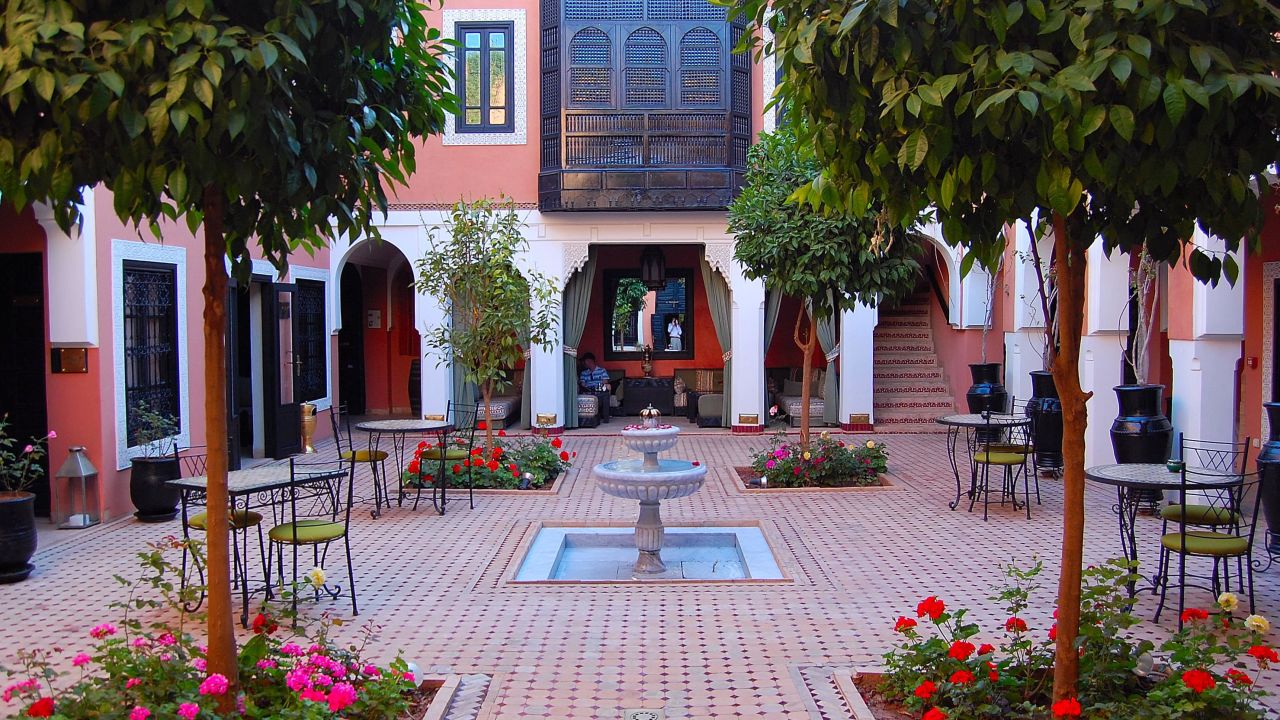
Based at a beautiful and comfortable 4-star riad-style hotel, just off the beaten track and hustle and bustle of the main square, in the Kasbah medina, our group was gently eased into the course with care and compassion over the first 2 days in the hotel with hammam, steamed, washed, scrubbed and relaxed in the Spa plus daily group breathwork for emotional and body release.”

a005c6e2-c57e-3d3b-99a3-2c87930ea429

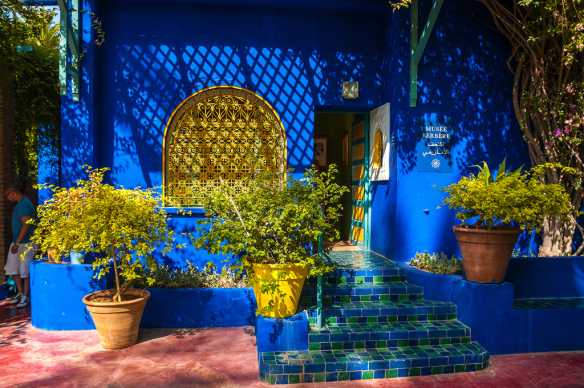
“The schedule had plenty of time for us to spend together socialising at meals or relaxing by the pool, alone in solitude and reflection, plus visits to some of Marrakesh’s most exquisite gardens. The day trip to the Ourika Valley at the foot of the Atlas Mountains was a particular highlight for me, along with silent walks in the stunning Anima Garden en route in the morning.”

00176687e363045f30874003e60cc9b5

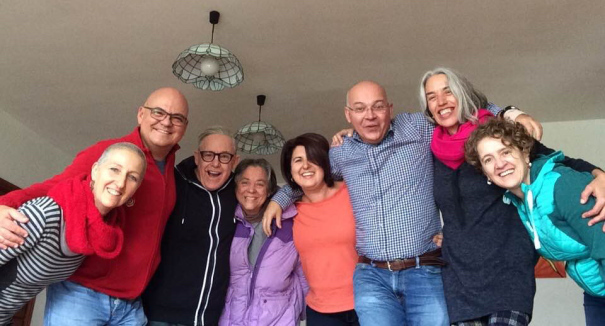
“Throughout the week, not only was I able to spend sometime focussing on a cleaner and better relationship with myself, I was also able to make new friends and deepen existing relationships.

This is breathwork for today’s pragmatic realistic, who is happy to dodge the crystals and dolphin music; it’s effective, self-led ( yet supported and guided ) self growth therapeutic practice.

wYKEzdFf_400x400

Quite unexpectantly, Conscious Connected Breathwork with David Parker has had a hugely positive impact on my life and well being. I recommend David, Luisa and their team unreservedly, in fact . . . I’ve already signed up for next year!”


Adam Spreadbury-Maher


Winter Update : Tales of the Unexpected.

21687609_10157192026224966_6497763519084174565_n1

Tales of the Unexpected. #BREATHE
I took a planned 7 Day no-work break in Tenerife mid January with no schedule, and had no idea I would be driven up to “Pura Vida” in Bajamar, North East Tenerife for a gathering of some of Tenerife’s most experienced Rebirthing Breathworkers “Colectivo de Renacedores de Canarias”. A workshop and a full breathe from 10-2, then a hearty lunch with Agustín Hernández plus Silke Modersohn who created the centre “Pura Vida” for yoga, rebirthing and relationship work. Thanks all for such a warm welcoming experience

10 days before my trip I collapsed at home with a very high heartbeat and had to call an ambulance, then an overnight stay so my long used angina meds could be adjusted. According to the Doc, the structure of the heart changes and so meds needs review and at 71 this year I took it seriously and still under the care of University College Hospital for monitoring. I asked whether the stent I had fitted 13 years ago was working, and the reply was “Yes, if it wasn’t, you would have had a heart attack.” Both my parents died instantly with heart attacks – so I am prepared to break the pattern!. ❤ #BREATHE

Luckily they let me get to Tenerife as planned but while away I decided to have a break on return to London, and curtail Evening Breathwork Groups till after we return from Marrakech. ❤ 

a31efca62343c8c4ff166f40c77eb941

Our Annual Breathwork Retreat in Marrakech is FULL ❤ #BREATHE

but you can read more here :

https://urbanlifeclass.me/2017/09/04/not-january-as-usual-our-next-marrakech-breathwork-retreat-is-in-march-2018-a-change-is-as-good-as-a-rest-spring-break/

MARCH Evening Breathwork Dates are here – Please BOOK EARLY to avoid disappointment

March 2018-page-001


Mo Haque ‘Cancer Recoverer’, rates Breathwork as a regular practice for healing and emotional release.

Mo Haque returns to ITV London News 18 months after crowdfunding for immunotherapy cancer treatment, sharing his incredible progress. He also shares an exclusive cover for his book ‘Choosing To Stay: How Cancer Gave Me My Life Back’ – For more information about the book visit https://mohaque.com

Mo Haque writes 

I began Evolutionary ‘Rebirthing’ Breathwork for the first time in March 2016, a time when my terminal cancer was growing and spreading, a time when the NHS decided against funding a breakthrough immunotherapy treatment for me.

Fundraising a total of £200,000 was a daunting prospect, yet it was my last resort to give myself a chance to live. With help from family, friends and strangers, we raised close to £190,000 allowing me to have a year of immunotherapy treatment. My tumours have subsequently reduced and 6 months on from stopping the treatment (May 2017), the tumours have been stable thankfully.

David Parker’s UrbanLIFECLASS breathwork groups have been an integral part of the process for me. I have been attending every single month which allows me to explore themes that I have been suppressing over the years, whilst learning and integrating new behaviours. Behaviours such as asking for help, receiving help, saying no, establishing and maintaining boundaries.

The sessions also allow me to make sense and feel the emotion from my most recent struggles and release any build up, as and when they occur. They also allow me to acknowledge my successes and encourage me to remember to do things I enjoy even if that means ‘doing nothing’, rather to purely just be. But perhaps more crucial is the learning that I get from hearing other peoples shares.

With individual work with David, I have also found that my creativity has flourished and opportunities continue to open up, since attending regular sessions, like writing my book; Choosing To Stay: How Cancer Gave Me My Life Back, published in the forthcoming year 2018.

MoHaque

I have spoken in Parliament, been on TV several times and being invited to speak on various stages to share my story. I have also been getting involved with different cancer communities and charities contributing to publications, policy documents as well as attending Government meetings.

I continue to take one day at a time, whilst holding an intention to serve and share. The breathwork is a reminder to stay present and live in the moment whilst being mindful of the 4 P’s of destruction; Procrastination, Perfectionism, Projection and People-pleasing.

Breathwork practice has become a staple part of my monthly self care. 

Mo Haque Book Cover

www.mohaque.com 


CHAOS THEORY: A Review of ‘ORGANIZING FOR CREATIVE PEOPLE’ by Sheila Chandra

REVIEW by Robert Beck 

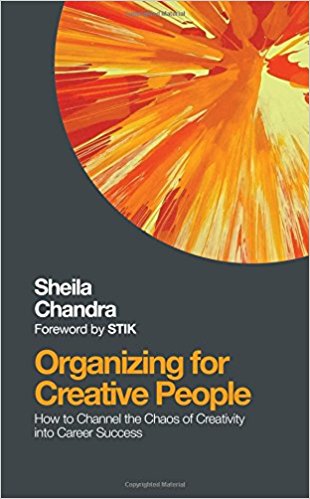
51yPU7t7VxL._SX308_BO1,204,203,200_I’ve been working my way through Sheila Chandra’s book Organizing for Creative People: How to Channel the Chaos of Creativity into Career Success. The book is a veritable bible of helpful tips and ideas to turn someone from a walking disaster zone into a streamlined and employable creative powerhouse.

The best thing about this book is that Chandra knows what she’s talking about. After many years as a well-known and respected singer and song writer, she is now turning her hand to helping others achieve the success that she has enjoyed. And what does she put her success down to? Organisation. 

41AKMC1HSVL

There are a lot of very talented artists out there who make fantastic work but who never get the recognition they deserve. Often, this is because their work space resembles a war zone and they can no more knock together a press release or impactive marketing campaign than fly! This is where Chandra’s book is so helpful.

What’s even better is that this is not a long book, nor is it particularly dense. The author doesn’t waste much time pussy-footing around the issues and gets right to it: if you want recognition for your work and you’re looking for success then you should ditch the idea right away that chaos results in creativity. It doesn’t!

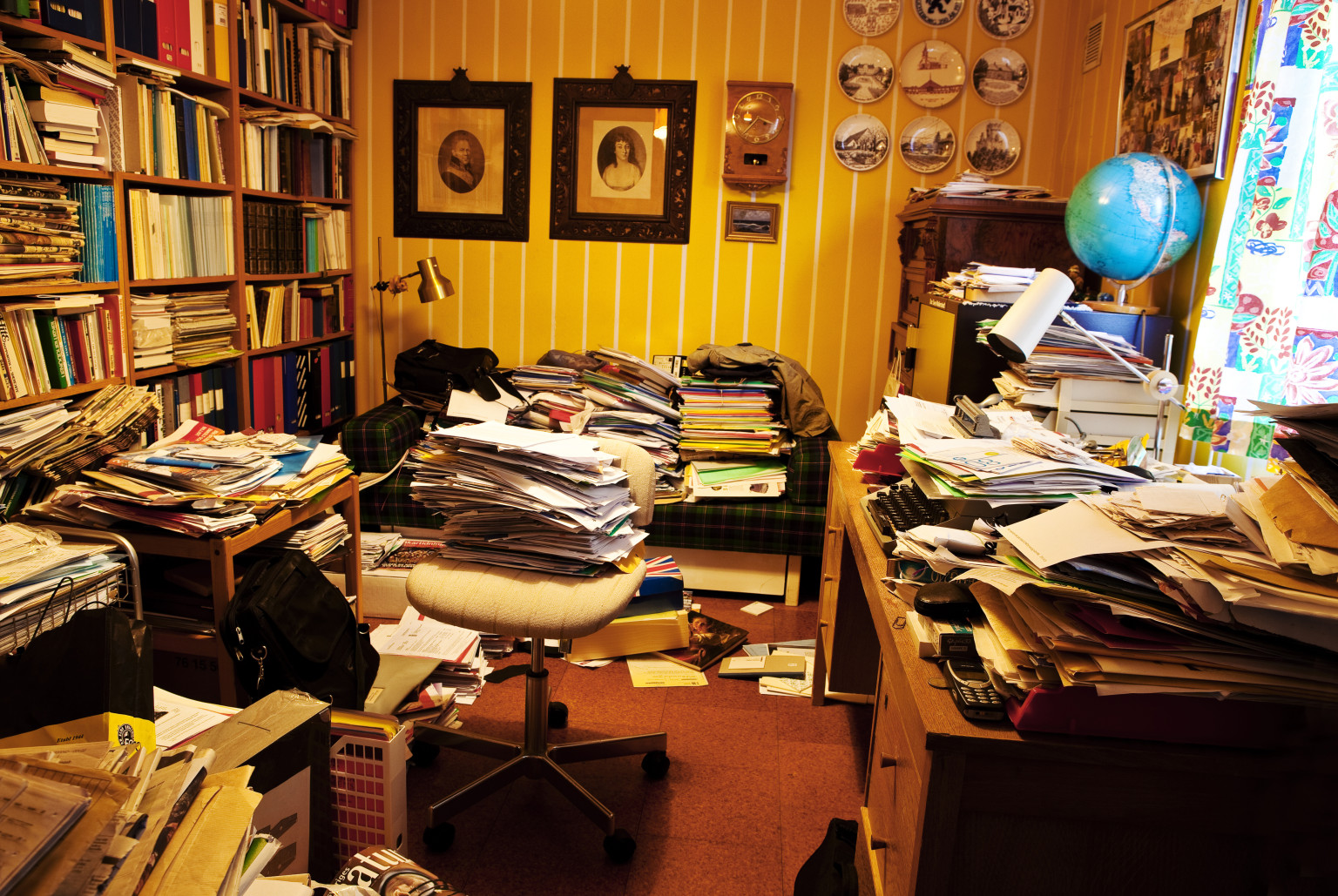
o-MESSY-DESK-facebook

Whether you’re a painter, a singer, or an actor, it’s vital to maintain a tidy working space and to treat yourself like a business which needs to be constantly managed. It’s the total opposite to the oft-touted stereotype of the “lazy creative” – the kind of person who lies around all day, smoking, drinking, and just waiting for that one idea to strike them which will make them rich and famous. In this scenario, all that usually happens is the “creative” slides deeper into the mess they’ve made and even if that idea does come – eventually – they have no idea how to produce it, market it, or sell it.

Chandra’s opening section – “Physical Space” – starts with ways that you can organise the places you work in. Some tips may seem blindingly simple like clearing room on your desk so that you can actually work on it, or throwing away that pile of magazines you’ve been keeping on the off-chance you’ll actually read them one day.

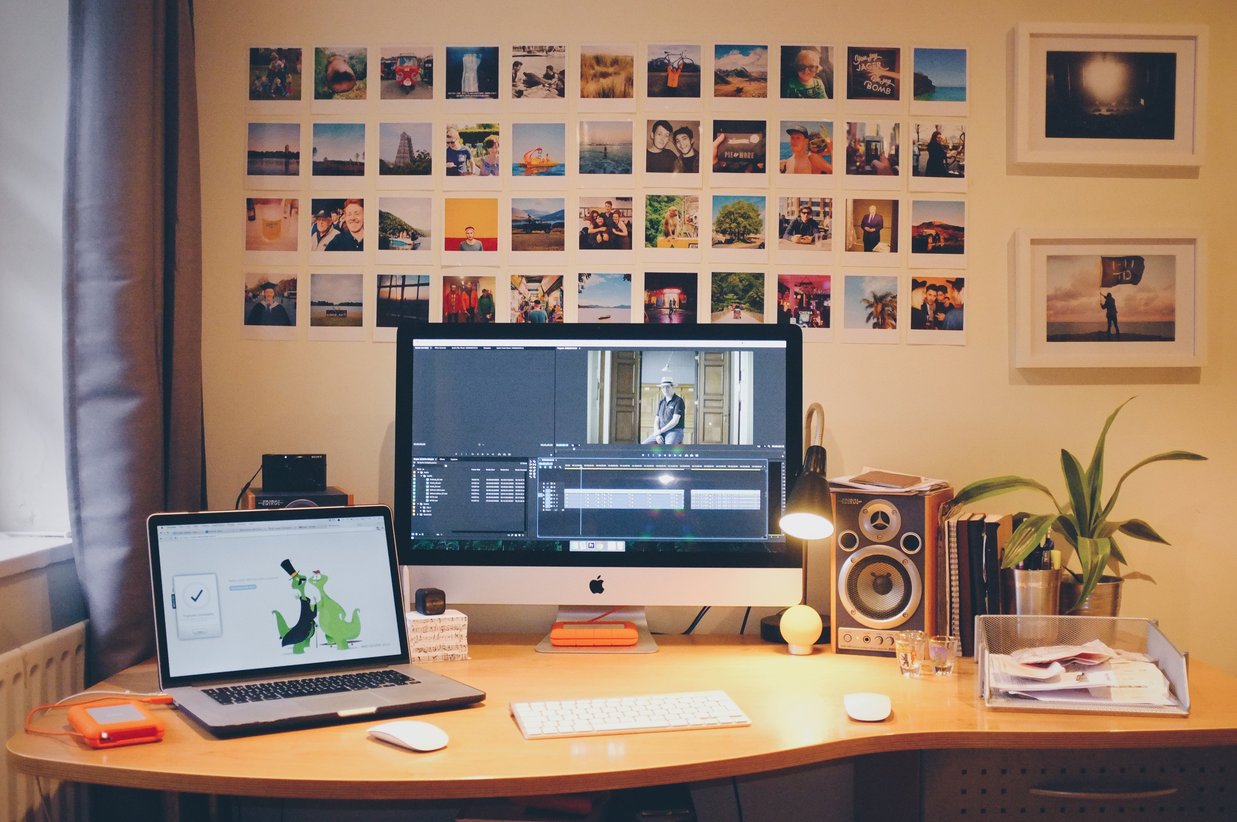
creativespaces_scottpeters_0

Others may take a little more effort such as laying your studio/room out as a series of work-stations – one for each of the creative tasks you do on a daily basis – based around factors such as where is the best light, proximity to certain tools you might be using, or even just proximity to the kitchen so you don’t waste time walking back and forth to grab coffee. Each idea is carefully designed to systemise your working environment and create a clutter-free space to create in.

Only once you have a tidy space, where you can access the implements you need to create the work and where you’re not spending half the day searching for that one A4 page that’s got lost amongst the rubbish, can you begin to think about some of the more complex tasks that go hand-in-hand with being a self-employed creative. It boils down to that old adage – “tidy space, tidy mind”.

Chandra’s argument is that you can’t possibly have the brain space to deal with creating a PR campaign or doing a tax return if your physical space isn’t organised. So while the first half of her book might not seem particularly ground-breaking, it’s a vital step for any creative person to take to ensure that both your physical and mental spaces are efficiently ordered.

500

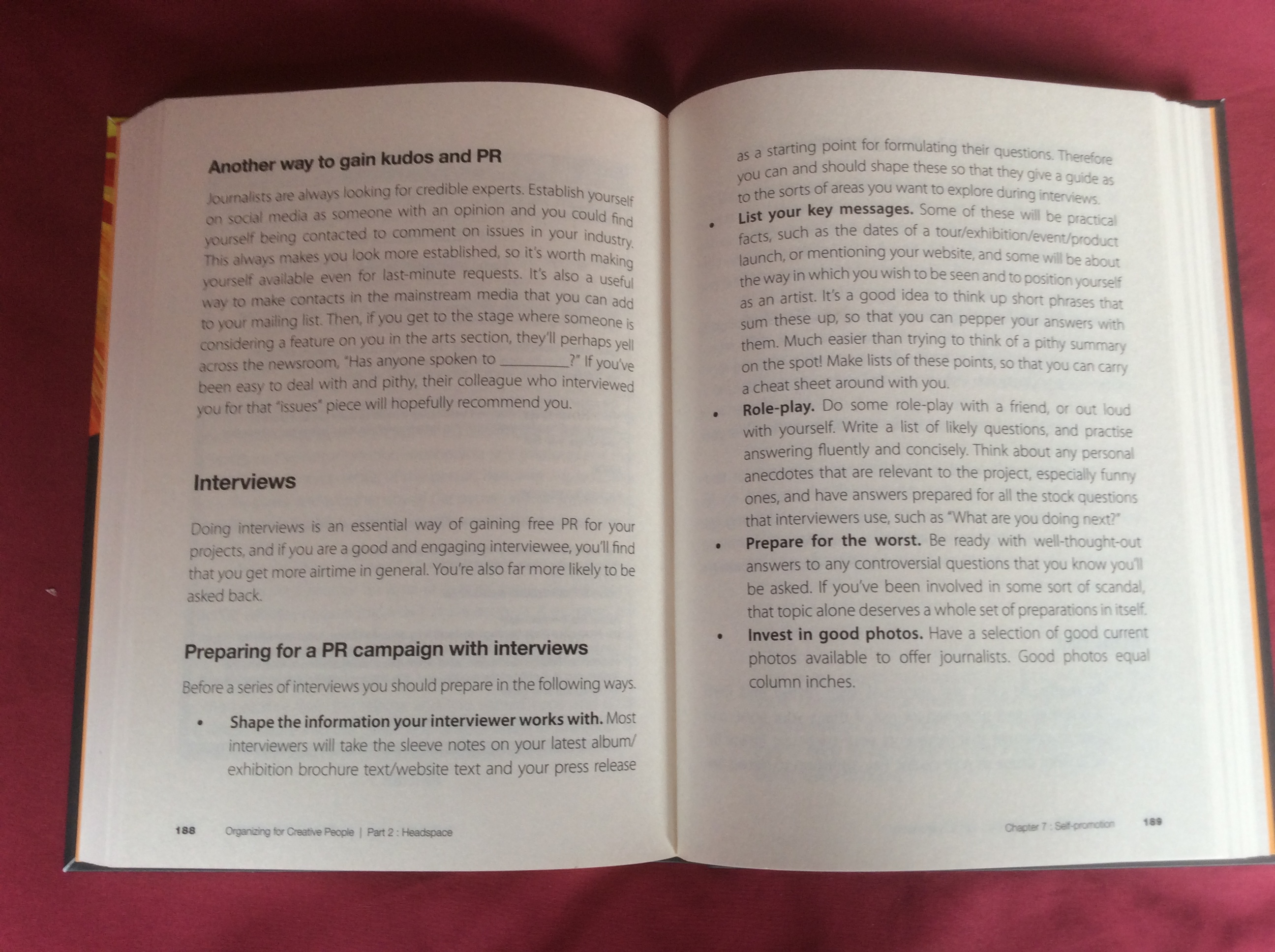
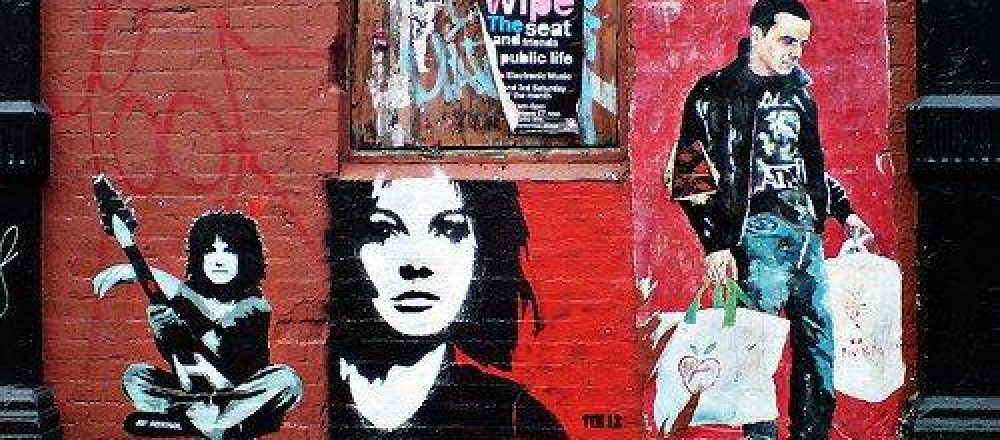
With your working environment now organised, the second half of her book – entitled “Head Space” – is where it gets interesting. Drawing for her own experiences as a creative professional, as well as from being on the other side of the table and working with creatives like the street artist STIK (who incidentally wrote the foreword for the book), Chandra lays down some of the dos and don’ts when it comes to launching a creative career.

These involve managing yourself and your brand effectively, learning how to make social media work for you, and surrounding yourself with the right people who can help you with tasks such as accountancy and publicity.

Again, the concepts are far from revolutionary and are largely just common sense, but the style of writing is open and honest and the advice is sound and easy to follow. In a world where it’s becoming increasingly difficult to break into the creative industries, Chandra is determined to give as many people a leg-up as she can. One of the book’s charms is how orderly and methodical it is (for a book about being organised, this isn’t a huge surprise).

It’s recommended that you treat the book as a guide and read it from cover to cover. While there may be sections that you don’t need to read in quite as much depth as others, it’s a process and one that is best absorbed whole, rather than in bits.

IMG_2333

The only way to truly judge the book’s success is to read it and try the ideas out for yourself. However, take it from me as a creative person, one who is on his own journey to achieve recognition and career success, this book was a great little companion that has genuinely given me some practical tips that I can use to ensure both my physical workspace and mental headspace are running as efficiently as they can. Ultimately, the book isn’t going to teach you how to be a better artist – that comes from you – but if you are struggling to be creative then maybe it’s because you’re still stuck in a chaotic pattern.

What Sheila Chandra has done is show us how to use that chaotic creativity and to channel it into career success. They’re simple tricks but all highly effective – give them a go and find out for yourself.

‘Organizing for Creative People: How to Channel the Chaos of Creativity into Career Success’ by Sheila Chandra is published by Watkins.

14908327_10210355251256100_1014946024230999709_nRobert Beck is a theatrical director and performer living in London. He also works as PA and admin assistant for urban LIFECLASS. Follow him on Twitter @robertjamesbeck